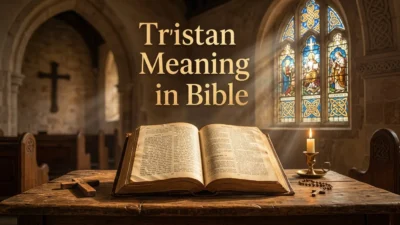

The phrase heresies meaning in the Bible refers to beliefs, teachings, or doctrines that deviate from the truth revealed in Scripture.
Throughout biblical history, false teachings have challenged God’s people and created divisions within the faith community.
Understanding heresies is important because the Bible repeatedly warns believers against doctrines that distort God’s message.
When studying heresies meaning in the Bible, Christians often seek to understand how false teachings arise, why they are dangerous, and how believers can recognize biblical truth.
The Bible presents heresy as more than simple disagreement; it often involves teachings that lead people away from God’s revealed truth and the gospel of Jesus Christ.
Quick Answer
In the Bible, heresies are false teachings or beliefs that contradict God’s truth and cause division among believers. Scripture warns Christians to avoid doctrines that distort the gospel and lead people away from faith in God.
What Does Heresies Mean in the Bible?
The word “heresy” generally refers to beliefs or teachings that oppose established biblical truth. In Scripture, heresies are often associated with divisions, false doctrines, and teachings that mislead believers.
The Bible emphasizes the importance of sound doctrine and warns against accepting teachings that contradict God’s Word.
Meaning Table
| Term | Meaning |
|---|---|
| Heresy | A false teaching contrary to biblical truth |
| Heretic | A person who promotes false doctrine |
| Doctrine | A set of beliefs taught by Scripture |
| False Teacher | Someone who spreads misleading spiritual teachings |
| Truth | God’s revealed message in Scripture |
Origin of the Word Heresy
The English word “heresy” comes from the Greek word hairesis, which originally meant “choice,” “party,” or “sect.” Over time, the term gained a negative meaning because it became associated with groups that departed from accepted biblical teachings.
In the New Testament, the word is used to describe divisions and doctrinal errors that threatened the unity of the church.
Origin and Historical Background Table
| Aspect | Details |
|---|---|
| Greek Word | Hairesis |
| Original Meaning | Choice, sect, faction |
| New Testament Usage | Divisions and false teachings |
| Historical Development | Came to mean doctrinal error |
| Modern Understanding | Beliefs contrary to biblical doctrine |
Heresies Meaning in the Bible According to Scripture
Several Bible verses discuss false teachings and doctrinal errors.
Galatians 5:20
Paul lists “heresies” among sinful behaviors that create division among believers.
2 Peter 2:1
Peter warns about false teachers who secretly introduce destructive heresies.
Titus 3:10
Believers are instructed to reject divisive individuals who persist in spreading false teachings.
These passages show that heresies meaning in the Bible involves teachings that threaten spiritual truth and unity.
Why Does the Bible Warn Against Heresies?
The Bible warns against heresies because false teachings can:
- Distort God’s truth
- Lead believers away from salvation
- Create confusion
- Cause division in churches
- Weaken faith and spiritual growth
God desires His people to remain rooted in truth and avoid deceptive teachings.
Spiritual Meaning of Heresies in the Bible
The spiritual meaning of heresy goes beyond intellectual error. Symbolically, heresies represent spiritual deception and rebellion against divine truth.
From a spiritual perspective, heresy can symbolize:
- Choosing human opinions over God’s Word
- Following deception rather than truth
- Pride that rejects biblical authority
- Division within the body of Christ
The Bible teaches believers to seek wisdom, discernment, and guidance from the Holy Spirit to recognize truth from error.
Common Types of Heresies Mentioned in Christian History
Throughout church history, several major heresies emerged:
Gnosticism
Claimed secret knowledge was necessary for salvation.
Arianism
Denied the full divinity of Jesus Christ.
Pelagianism
Taught that humans could achieve righteousness without God’s grace.
Docetism
Claimed Jesus only appeared to have a physical body.
These teachings were rejected because they contradicted biblical doctrine.
Comparison Table: Biblical Truth vs Heresy
| Biblical Truth | Heresy |
|---|---|
| Based on Scripture | Contradicts Scripture |
| Promotes unity | Creates division |
| Leads to spiritual growth | Causes confusion |
| Centers on Christ | Distorts Christ’s teachings |
| Guided by God’s truth | Influenced by false doctrine |
How to Recognize False Teachings
Believers can identify false teachings by:
- Comparing teachings with Scripture.
- Examining whether Christ is accurately presented.
- Looking for consistency with biblical doctrine.
- Seeking guidance through prayer.
- Learning from trustworthy biblical teachers.
The Bible encourages spiritual discernment and careful examination of teachings.
Why People Search for Heresies Meaning in the Bible
Many people search for heresies meaning in the Bible because they want to:
- Understand biblical warnings
- Learn church history
- Recognize false teachings
- Strengthen their faith
- Study difficult Bible passages
The topic remains relevant because questions about truth and doctrine continue to arise in modern Christianity.
Cultural and Modern Usage of Heresy
Today, the word “heresy” is sometimes used outside religious contexts. People may describe any controversial opinion as heresy.
However, in biblical and theological discussions, heresy specifically refers to teachings that oppose essential truths of the Christian faith.
Modern churches continue to address doctrinal issues while encouraging believers to remain grounded in Scripture.
Common Misconceptions About Heresies
Every Disagreement Is Heresy
Not all differences of opinion are heresies. Christians may disagree on secondary issues while maintaining core biblical beliefs.
Heresy Is Only a Historical Issue
False teachings still exist today and can spread through various platforms and influences.
Heresy Is Always Intentional
Some people teach incorrect doctrines unknowingly rather than deliberately.
Understanding these distinctions helps believers approach theological discussions wisely.
Lessons Christians Can Learn from Biblical Warnings
Biblical warnings about heresies teach believers to:
- Value sound doctrine
- Study Scripture regularly
- Practice discernment
- Remain humble
- Stay connected to faithful Christian communities
These principles help protect spiritual growth and strengthen faith.
Final Summary
Understanding heresies meaning in the Bible helps believers recognize the importance of truth, doctrine, and spiritual discernment. Scripture consistently warns against false teachings that distort God’s message and create division among believers.
From the early church to modern times, Christians have faced challenges from doctrines that depart from biblical truth.
The Bible encourages believers to remain grounded in Scripture, seek wisdom through prayer, and carefully evaluate teachings according to God’s Word.
By understanding heresies and their spiritual implications, Christians can grow in faith and remain committed to the truth revealed through Jesus Christ.
Final Thought
The study of heresies meaning in the Bible is not simply about identifying errors; it is about appreciating the value of truth.
Throughout Scripture, God calls His people to remain faithful to His Word and to guard against teachings that lead them astray.
Heresies often begin with small distortions of truth but can have significant spiritual consequences if left unchecked.
For believers today, the solution is not fear but discernment. Regular Bible study, prayer, and dependence on God’s guidance provide protection against deception.
By understanding biblical truth and remaining rooted in Christ, Christians can confidently navigate spiritual challenges while growing in wisdom, faith, and obedience to God.
FAQs:
1. What is the meaning of heresies in the Bible?
Heresies are false teachings or doctrines that contradict biblical truth and lead people away from God’s message.
2. Where is heresy mentioned in the Bible?
The term appears in passages such as Galatians 5:20, 2 Peter 2:1, and Titus 3:10.
3. Is every doctrinal disagreement considered heresy?
No. Heresy generally refers to teachings that deny or distort essential biblical truths.
4. Why are heresies dangerous?
They can mislead believers, distort the gospel, and create division within the church.
5. What is the Greek word for heresy?
The Greek word is hairesis, meaning choice, sect, or faction.
6. How can Christians avoid heresy?
By studying Scripture, praying for discernment, and comparing teachings with biblical truth.
7. Does heresy still exist today?
Yes. False teachings continue to appear, making biblical discernment important for believers.